
If you’ve been thinking about starting a custom home, spring is one of the most common times people take the first real step.
The weather shifts, the market picks up, and suddenly, that idea you’ve been holding onto starts to feel real.
But here’s the part most people do not talk about enough: starting a custom home is not just about design boards and floor plans. It’s a process, and the earlier you understand it, the better your experience will be.
Let’s walk through what you can actually expect, so you can move forward with clarity and confidence.
What Does “Starting a Custom Home” Actually Mean?
Before anything gets built, there is a long runway of planning.
Starting a custom home means you are entering the early phase of:
- Defining your vision
- Securing land or evaluating a lot
- Partnering with a builder
- Beginning the design process
This is where the foundation of your entire experience is set.
If you rush this stage, you will feel it later. If you take your time here, everything else becomes easier.
Why Spring Is a Smart Time to Start
There’s a reason so many homeowners begin this process in the spring. It’s not just about the weather. It’s about timing your entire project correctly.
Here is what starting in spring allows you to do:
- Better site visibility: You can clearly see grading, drainage, and how your home will sit on the lot
- More predictable timelines: You avoid delays that often come with winter weather
- Stronger builder availability (early in the season): Getting started before peak demand gives you more flexibility
According to the National Association of Home Builders, seasonal timing plays a role in both construction efficiency and overall project flow, especially in regions like Virginia, where weather patterns shift quickly.
Step 1: Choosing the Right Builder Changes Everything
This is the most important decision you will make. Not your finishes, not your floor plan, but your builder.
When you are starting a custom home, you are entering a long-term relationship. You need a team that guides you, not just builds for you.
Here is what to look for:
- Clear communication from day one
- A defined process, not guesswork
- In-house design support or strong partnerships
- Transparency around budget and timeline
- A portfolio that matches your lifestyle, not just trends
A good builder will not just say yes to everything; they’ll help you make better, more informed decisions.
Step 2: Understanding Your Budget Early
This is where many homeowners get off track. You might have a number in mind, but starting a custom home project requires a more detailed breakdown.
Beyond the house, account for:
- Land costs (if you have not purchased yet)
- Site work, including clearing, grading, and utilities
- Architectural plans and engineering
- Interior selections and upgrades
- Permits and local requirements
The earlier you align your vision with your budget, the smoother your process will be.
One of the most helpful conversations you can have early on is this: What do I want, and what matters most to me? That answer will guide everything.
Step 3: Designing Around Your Lifestyle, Not Just Aesthetics
This is where the process becomes personal. You’re not just building a house, you’re shaping how you will live day to day.
When starting a custom home, think about:
- How you move through your mornings
- Where you gather with family and friends
- What spaces you use the most
- What currently frustrates you about your home
For example:
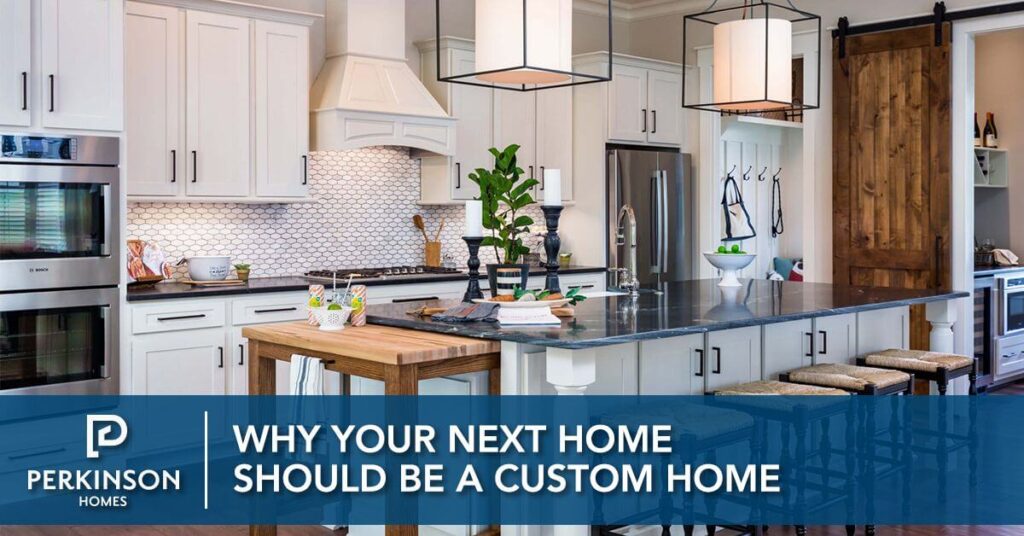
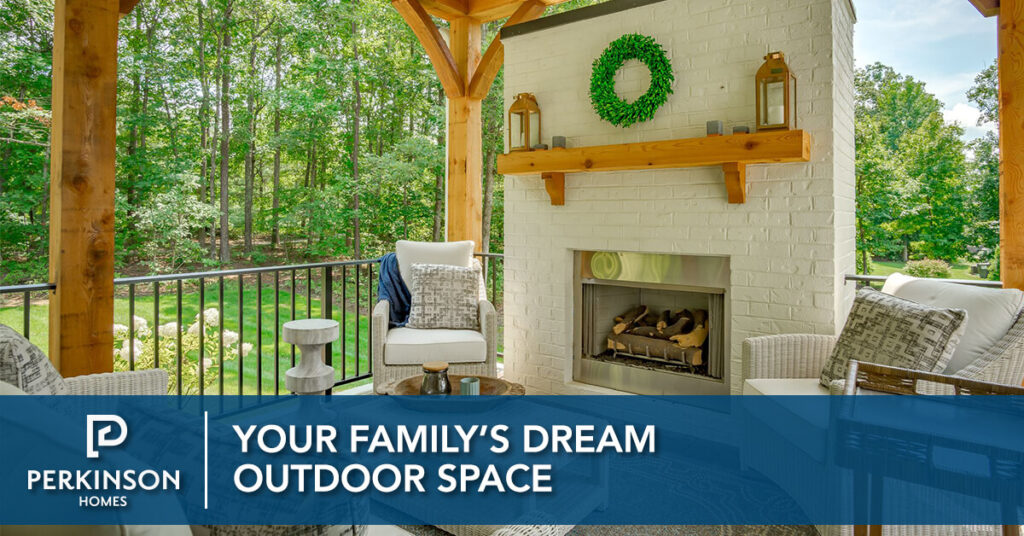
- If you host often, your kitchen layout and flow into outdoor spaces should reflect that.
- If you work from home, privacy and sound control matter more than you think.
- If you have kids, storage and flexible spaces become essential.
This is where working with a builder that offers design guidance makes a real difference. At Perkinson Homes, our interior design team helps translate your ideas into something that works in real life.
Step 4: The Timeline, What to Expect
One of the most common questions is how long this takes.
The honest answer is: it depends. Below is a realistic breakdown when starting a custom home:
Pre-construction (2 to 4+ months):
- Builder selection
- Design development
- Budget alignment
- Permitting
Construction (6 to 12+ months):
- Site work and foundation
- Framing
- Mechanical systems
- Interior finishes
- Final walkthrough
Every project is different, but understanding this upfront helps set expectations.
Step 5: Decision Fatigue Is Real, Plan for It
There are more decisions than most people expect.
At first, it’s exciting, then it becomes overwhelming.
You will make choices on:
- Flooring
- Cabinetry
- Countertops
- Lighting
- Fixtures
- Paint colors
- Hardware
This is where having a structured process matters. Instead of making every decision at once, a good builder will guide you through selections in phases. This keeps things manageable and helps you stay confident in your choices.
Step 6: Site Preparation and Early Construction Realities
Once construction begins, things start to feel real, but it may not look like what you expect right away.
Early stages include:
- Clearing the lot
- Excavation
- Foundation work
At this point, it can feel slow.
Step 7: Communication Makes or Breaks the Experience
When starting a custom home, communication is what keeps everything on track.
You should always know:
- What stage your home is in
- What decisions are coming next
- How your budget is tracking
- What the next few weeks look like
If you ever feel unsure, that’s a sign that something needs to be addressed.
Common Mistakes to Avoid When Starting a Custom Home
Even well-prepared homeowners can run into issues.
Here are a few to watch for:
- Waiting too long to start conversations: Spring fills up quickly, and delays can push your timeline back months
- Focusing too much on trends: Your home should reflect how you live, not just what looks good online
- Underestimating site costs: Land development can vary more than expected
- Not asking enough questions early: Clarity upfront prevents stress later
What This Process Should Feel Like
Starting a custom home should feel exciting, not overwhelming.
Yes, there are decisions to make and moving parts, but with the right team, the process becomes structured, clear, and even enjoyable.
You should feel guided, not like you’re figuring it out on your own.
Thinking About Building This Spring?
If you are considering building a custom home, contact our team at Perkinson Homes to begin your path to your dream home.