
You walk through the door after a long day.
Your shoulders drop, your breathing slows, and the noise fades.
That feeling does not happen by accident.
It comes from thoughtful choices made long before the house was finished. When luxury is done right, it feels quiet, grounded, and personal. It supports how you live, rest, and reset.
This is where luxury home comfort design matters most.
Below, we break down how to design a home that helps you decompress every evening, without sacrificing style, craftsmanship, or long-term value.
What Is Luxury Home Comfort Design
Luxury home comfort design focuses on how a home supports your body and mind.
It goes beyond finishes and square footage.
It means designing spaces that:
- Reduce visual noise
- Control sound and light
- Support daily routines
- Feel intuitive to live in
- Adjust to your needs throughout the day
Comfort is not about softness alone. It is about predictability, flow, and balance.
A calm home works with you, not against you.
Start With the Way You Enter the Home
The first few steps inside your home set the tone for the rest of the evening.
A rushed entry creates tension.
A controlled entry creates calm.
Thoughtful entry design includes:
- A covered approach that shields you from the weather
- A foyer that feels open but not exposed
- Soft lighting instead of harsh overhead fixtures
- Clear paths that prevent clutter buildup
In custom homes, we often design entry sequences that slow you down on purpose. One or two subtle turns. A shift in ceiling height. A change in material underfoot.
Your brain reads these cues before you realize it.
Sound Control Is One of the Most Overlooked Comfort Features
Noise raises stress levels, even when you think you are ignoring it.
True comfort requires acoustic planning.
This includes:
- Insulated interior walls between living areas and bedrooms
- Solid-core doors instead of hollow doors
- Strategic placement of mechanical systems
- Flooring selections that absorb sound
Open layouts still work when sound is controlled properly. The key is planning zones rather than relying solely on walls.
A quiet home feels larger and more refined.
Lighting Should Follow the Rhythm of Your Day
Light affects your sleep, mood, and focus.
Luxury home comfort design uses layered lighting instead of relying on one switch per room.
Effective lighting plans include:
- Warm ambient lighting for evenings
- Task lighting where function matters
- Accent lighting that adds depth without glare
- Automated scenes that change by time of day
At night, bright white light keeps your nervous system alert. Warm, dimmable light signals your body that it is time to rest.
Smart lighting is not about gadgets. It is about control without effort.
Create Clear Zones for Work, Rest, and Transition
One reason many homes feel stressful is that every space tries to do too much.
Calm comes from clarity. Your home should have:
- Areas meant for productivity
- Areas meant for connection
- Areas meant only for rest
This does not require extra square footage. It requires intention.
A sitting nook near the primary bedroom, a reading space away from the television, or a home office that closes off visually at the end of the day.
When spaces have clear purposes, your mind follows.
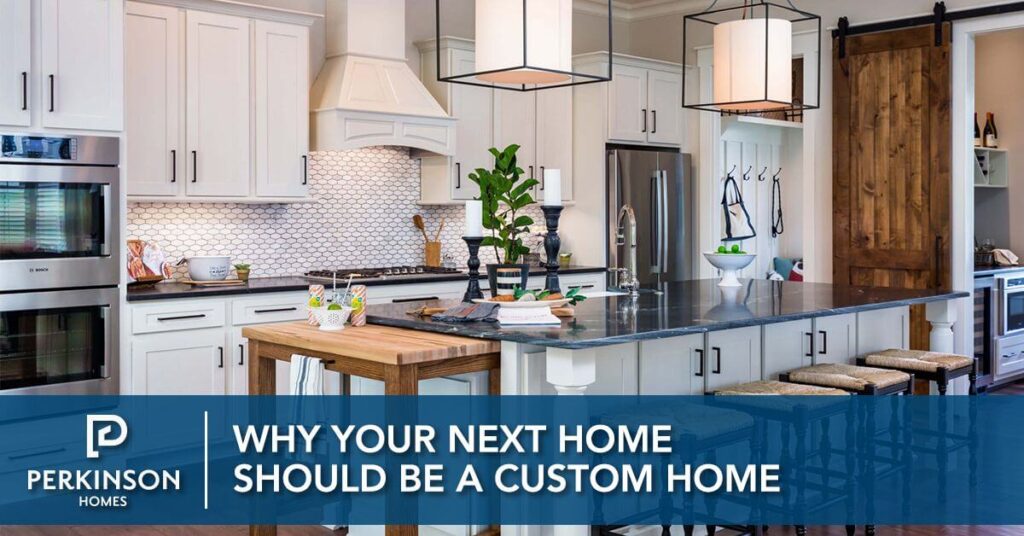
Kitchens Can Be Designed to Feel Quiet
The kitchen often becomes the loudest space in the house.
That does not mean it has to feel chaotic.
Comfort-focused kitchen design includes:
- Appliance panels that blend into cabinetry
- Hidden storage that reduces countertop clutter
- Thoughtful circulation paths to avoid congestion
- Soft-close hardware throughout
Many homeowners tell us the calmest moment of their day happens late in the evening, after the kitchen is clean and quiet.
A well-designed kitchen makes that feeling easier to reach.
Bedrooms Should Feel Removed From the Rest of the House
Your bedroom should feel like a retreat, not an extension of the living room.
Luxury bedroom design focuses on separation and softness.
Key elements include:
- Distance from high-traffic areas
- Layered window treatments for light control
- Upholstered or wood-accented walls
- Minimal ceiling penetrations
Comfort also comes from consistency. When your bedroom looks and feels the same every night, your body relaxes faster.
That is not a trend. It is physiology.
Bathrooms Can Lower Stress When Designed Correctly
Bathrooms are often rushed during planning.
That is a mistake.
Your bathroom is where your day starts and ends.
Comfort-driven bathroom design includes:
- Large-format tile with minimal grout lines
- Heated flooring in key zones
- Even, glare-free lighting
- Quiet exhaust and plumbing systems
When bathrooms feel calm, mornings feel slower and evenings feel longer. Those moments add up.
Materials Matter More Than Color Trends
Certain materials naturally feel grounding.
- Stone
- Wood
- Plaster
- Textured fabrics
These materials reflect light softly and age well.
Luxury home comfort design favors finishes that look better over time, not ones that demand attention.
Instead of asking what is popular, ask: Will this feel good to live with every day?
Temperature Control Should Be Invisible
Comfort drops fast when rooms are too hot or too cold.
Luxury homes address this with:
- Zoned HVAC systems
- Proper insulation beyond code minimums
- Thoughtful vent placement
- Quiet system operation
Storage Is Emotional, Not Just Practical
Clutter creates mental noise.
Good storage removes friction from daily routines.
Comfort-focused storage design includes:
- Drop zones near entrances
- Walk-in pantries with visibility
- Bedroom storage that hides daily items
- Laundry spaces that support real habits
When everything has a place, your home feels calmer without trying.
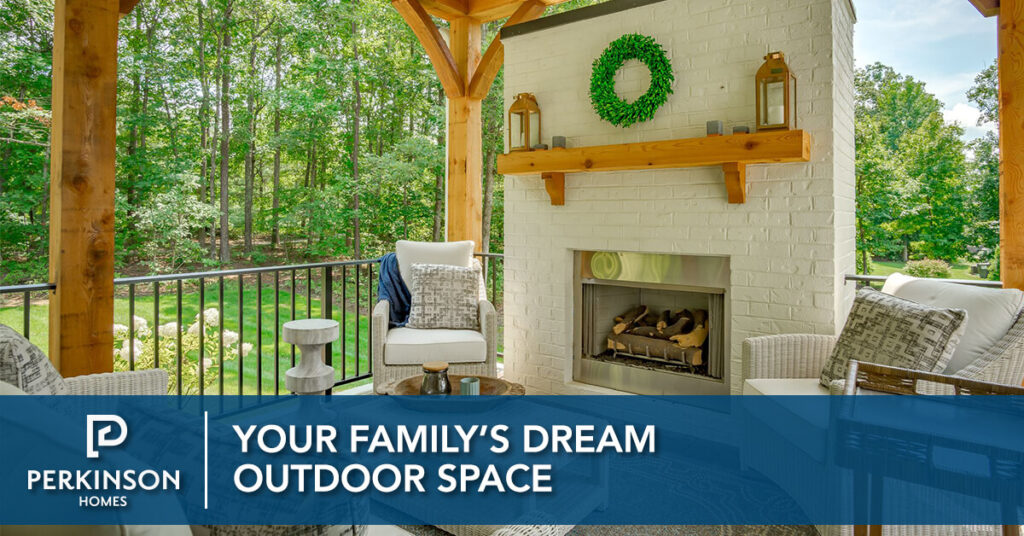
Outdoor Connections Extend Calm Indoors
Evenings feel better when indoor spaces connect to the outdoors.
This does not require large outdoor kitchens or pools.
Simple strategies work:
- Large windows that frame trees or the sky
- Covered porches with soft lighting
- Doors that open without visual clutter
Natural views reduce stress levels, according to research from organizations such as Mayo Clinic, which notes the calming effect of natural environments on mental health.
A home that brings nature in feels calmer year-round.
Comfort Comes From Knowing Your Home Fits You
The most important factor in luxury home comfort design is personalization.
Your routines, your habits, and your definition of rest.
A calm home reflects how you actually live, not how a model home looks on a weekend.
At Perkinson Homes, we see this every day. The calmest homes are not the largest or most expensive. They are the ones where every choice supports the homeowner’s lifestyle.
Reach out to our design team to start planning your dream luxury home today.