
If you love the idea of a bright, open home but still want quiet corners to retreat to, you are not alone.
Open floor plans remain one of the most requested features in custom homes across Virginia. They create flow, improve sightlines, and make entertaining easier. At the same time, many homeowners are realizing that openness without intention can feel exposed.
That is where thoughtful design matters.
Today, creating private spaces in an open floor plan is less about closing rooms off and more about designing with purpose. You can have expansive living areas and still enjoy comfort, focus, and quiet when you need it.
Let’s talk about how to make that balance work in a luxury custom home.
What Are Private Spaces in an Open Floor Plan?
Private spaces in an open floor plan are intentionally designed areas within a larger, connected layout that provide separation, sound control, or visual privacy without disrupting the overall openness of the home.
This might include:
- A tucked-away home office with glass walls
- A quiet reading nook off the main living space
- A secondary lounge on the upper level
- A primary suite that feels like its own retreat
- A scullery or back kitchen hidden behind the main kitchen
These spaces do not eliminate openness. They refine it.
Why Privacy Matters More in Luxury Homes
In most households, homes serve more functions than ever before.
- You may work several days a week remotely.
- Your kids may need a quiet space for school or study.
- You may host large gatherings, then crave stillness the next morning.
Open layouts support connection, while private spaces support balance.
According to the National Association of Home Builders, flexible rooms and dedicated home offices continue to rank high among features buyers want in new construction homes. That data reflects a shift toward multifunctional living, especially in custom homes.
Luxury today is not just square footage. It is control over how you experience your space.
Zoning Without Building Walls Everywhere
One of the most common mistakes in open floor plans is relying only on furniture placement to create separation. Sofas can define a living area, but they rarely provide real privacy.
Instead, think about architectural zoning.
Consider these design strategies:
- Ceiling Treatments: Varying ceiling heights subtly signal transitions. A coffered ceiling over the living room or a dropped ceiling in a dining area creates distinction without walls.
- Partial Walls and Architectural Screens: Half walls, built in shelving, or custom wood slat screens can divide areas while allowing light to pass through.
- Pocket and Sliding Doors: Large pocket doors can stay open during gatherings and close when you need quiet. This is especially helpful for home offices and libraries.
- Strategic Placement of Rooms: Place private spaces slightly off the main traffic path. Even a short hallway or angled entry can reduce noise and visual interruption.
In many Virginia custom homes, this approach works beautifully when designing around outdoor views. You can keep the rear of the home open toward a wooded lot while placing private rooms alongside elevations.
Designing a Private Home Office That Still Feels Connected
A glass-enclosed office is one of the most requested features in luxury builds right now.
It allows natural light to flow while controlling sound. Frosted glass or steel-framed doors can offer additional discretion.
Ask yourself:
- Will you take frequent video calls?
- Do you need acoustic insulation?
- Do you want full visual separation or partial connection?
The answer shapes everything from door choice to wall construction.
If your office is on the main level, consider placing it near the front of the home. This keeps work separate from the kitchen and family room activity.
If space allows, adding a small vestibule between the office and main living area enhances privacy without closing the home off.
Creating a Secondary Lounge or Flex Space
In larger custom homes, a secondary living area can change how the entire floor plan feels.
This might be:
- An upstairs retreat
- A lower-level media lounge
- A quiet sitting room near the primary suite
When one large great room is the only gathering space, noise builds quickly. Multiple lounges distribute activity.
For families with teens, a second living space reduces tension. For homeowners who entertain often, it provides options. Privacy sometimes comes from distance rather than enclosure.
The Power of the Primary Suite Retreat
One of the most important private spaces in an open floor plan is the primary suite.
In well-designed luxury homes, the primary suite feels removed from daily activity.
This often includes:
- A hallway transition
- Sound-insulated walls
- Separate sitting area
- Dual walk-in closets
- A spa-inspired bath
Placing the primary suite on one side of the home and secondary bedrooms on the opposite side creates natural separation.
If you prefer a main-level suite, think carefully about adjacency to the kitchen and great room. A few extra feet of hallway can dramatically improve quiet.
Back Kitchens and Sculleries
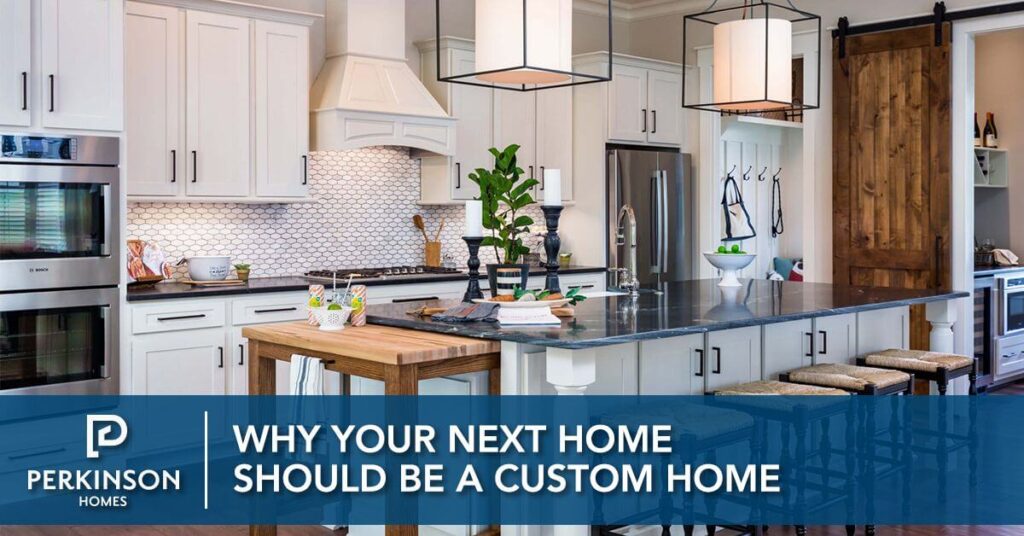
Open kitchens look beautiful. They also reveal everything.
A back kitchen, sometimes called a scullery, adds both function and privacy.
It allows you to:
- Prep food out of sight
- Hide small appliances
- Contain mess during events
- Reduce noise from dishwashers and cleanup
The main kitchen stays clean and social. The working kitchen handles the rest.
This is one of the clearest examples of private spaces in an open floor plan working behind the scenes.
Acoustic Planning Is Not Optional
Privacy is not just visual. It is acoustic. Luxury homes should feel quiet even when active.
Consider:
- Solid core interior doors
- Insulated interior walls around offices and bedrooms
- Acoustic underlayment under hardwood floors
- Soft materials like rugs and upholstered furniture
Without acoustic planning, even the most beautiful floor plan can feel chaotic.
Technology also plays a role. Zoned HVAC systems reduce sound from constant air movement. Smart home controls allow you to adjust lighting and music independently in different areas.
Outdoor Spaces as Private Extensions
In Virginia, outdoor living is a major part of custom home design.
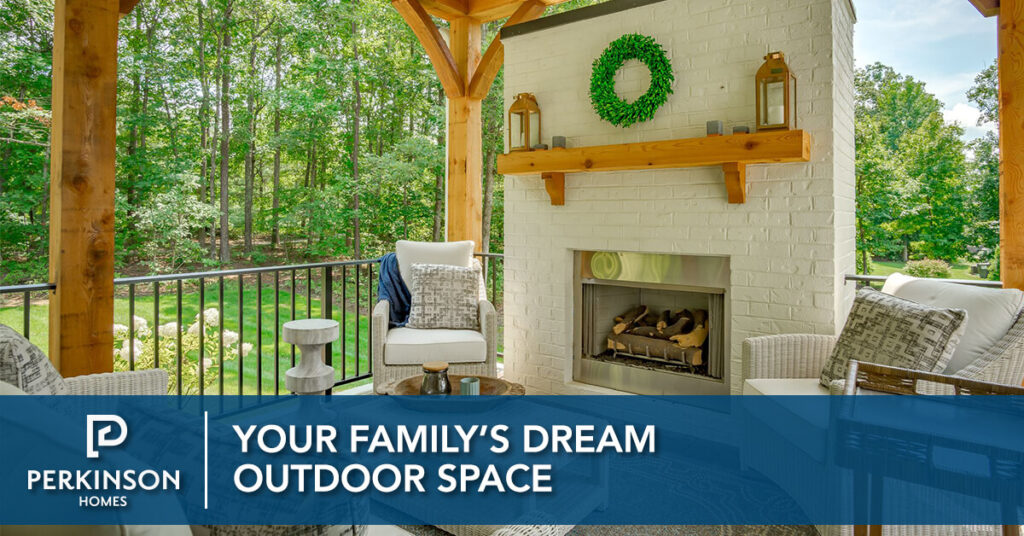
Covered porches, screened patios, and poolside lounges expand your living space. They also provide private retreat areas that feel separate from indoor activity.
A screened porch off the primary suite creates a quiet morning space.
A side courtyard offers privacy away from the main backyard.
Think about sightlines from neighboring homes. Landscaping and architectural placement matter just as much as interior walls.
Balancing Openness and Intentional Design
When planning your floor plan, ask yourself:
- Where do I go when I need quiet?
- Where do my children study or relax?
- How do we entertain, and how often?
- What parts of the home should feel social versus personal?
Luxury design is about clarity. Each space should serve a purpose. You do not need more rooms; you just need the right ones.
The most successful custom homes feel open when you want connection and private when you need retreat.
Common Mistakes to Avoid
Even high-end builds can miss the mark.
Avoid these pitfalls:
- Placing bedrooms directly off the main living area
- Designing only one large gathering space
- Ignoring sound control
- Overusing glass without considering privacy
- Assuming furniture alone will define space
Small layout decisions early in the process prevent expensive changes later.
Working With a Builder Who Understands Lifestyle
Private spaces in an open floor plan cannot be added as an afterthought. They must be part of the initial architectural vision.
This requires collaboration between:
- Architect
- Builder
- Interior designer
- Homeowner
When you walk through plans, do not just look at square footage. Walk mentally through your day.
- Where do you drink coffee?
- Where do you take work calls?
- Where do your guests gather?
- Where do you retreat at night?
Those answers shape a floor plan that feels personal, not generic.
In Virginia, lot orientation also matters. Large wooded properties offer different opportunities than tighter suburban lots. Views, sunlight, and neighboring homes all influence how private areas are positioned.
Luxury Is About Choice
At its best, an open floor plan feels expansive without feeling exposed.
It invites connection without sacrificing comfort.
Creating private spaces in an open floor plan allows your home to adapt to real life. It supports work, family, hosting, and rest.
It should fit you. Not just on move-in day, but for years to come.
Reach out to Perkinson Homes today to get started on your dream home.